President's Message - January 2026
Minnesota Remodeling by the Numbers
Reid Sellgren, CR, 2026 President | NARI Minnesota
If 2025 was about recalibration, 2026 is shaping up to be about execution.
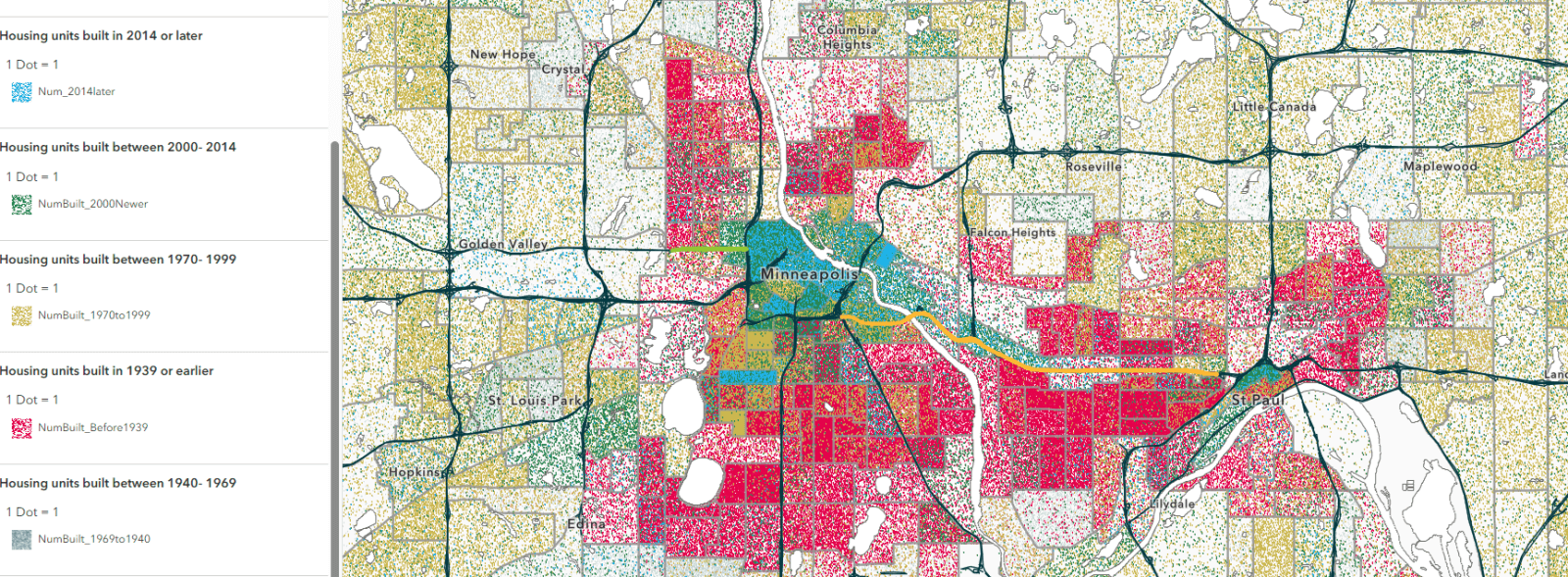
Minnesota’s remodeling market, estimated to be at $2.9B in 2026, enters the year supported by fundamentals that are difficult to ignore. According to the Census Bureau and the Met Council, over 55% of owner-occupied homes in the Twin Cities were built before 1975, with a growing share now exceeding 50 years in age. Statewide, the median home age continues to climb, driving sustained demand for systems upgrades, layout modernization, energy efficiency, and accessibility improvements. (See our graphic from ARGIS for a visual of the homes in the Twin Cities.)
That demand is reinforced by homeowner behavior. JLC’s 2025 Cost vs. Value Report shows that core remodeling projects remain financially compelling. Kitchen remodels, bathroom renovations, siding replacement, and window upgrades consistently deliver between 50–75% cost recapture at resale, with even higher perceived value for homeowners planning to stay put.
And that “stay put” trend is real. Minnesota homeowners remain among the least mobile in the Midwest. Elevated interest rates combined with historically low mortgage rates locked in from 2020–2022 continue to suppress resale activity. As a result, reinvestment in existing homes has become the default path forward, not a fallback option.
Industry data from late 2025 shows that whole-home remodels, system replacements, and aging-in-place projects outperformed smaller discretionary upgrades, particularly in first-ring suburbs and established neighborhoods. Forecasts for 2026 point to mid-to-high single digit remodeling growth statewide, led by professional remodelers with strong reputations and trusted credentials.
This environment favors experience, process, and professionalism, exactly what NARI Minnesota members represent.
Your action this month:
Use the data. Share why remodeling makes sense right now, backed by real numbers. Then reinforce trust by reminding homeowners why working with a NARI professional matters.
Here is the graphic (red dots represent homes built in 1939 or earlier):